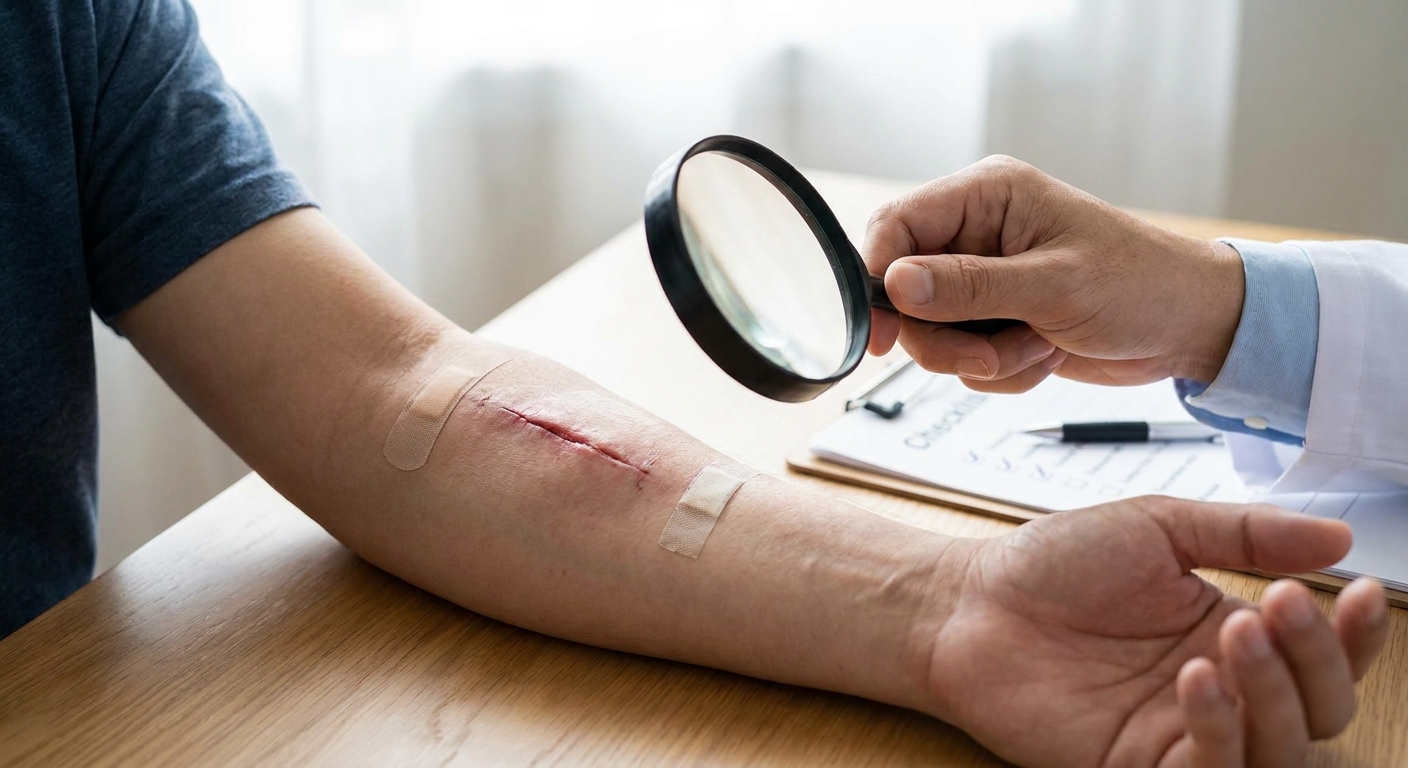
A biopsy leaves a small, precise wound — usually round from a punch tool or a shallow crescent from a shave removal — and it heals differently than a six-inch surgical incision. This guide breaks down which scar cream for skin biopsy scars actually fits that wound size, and which products are built for something bigger.
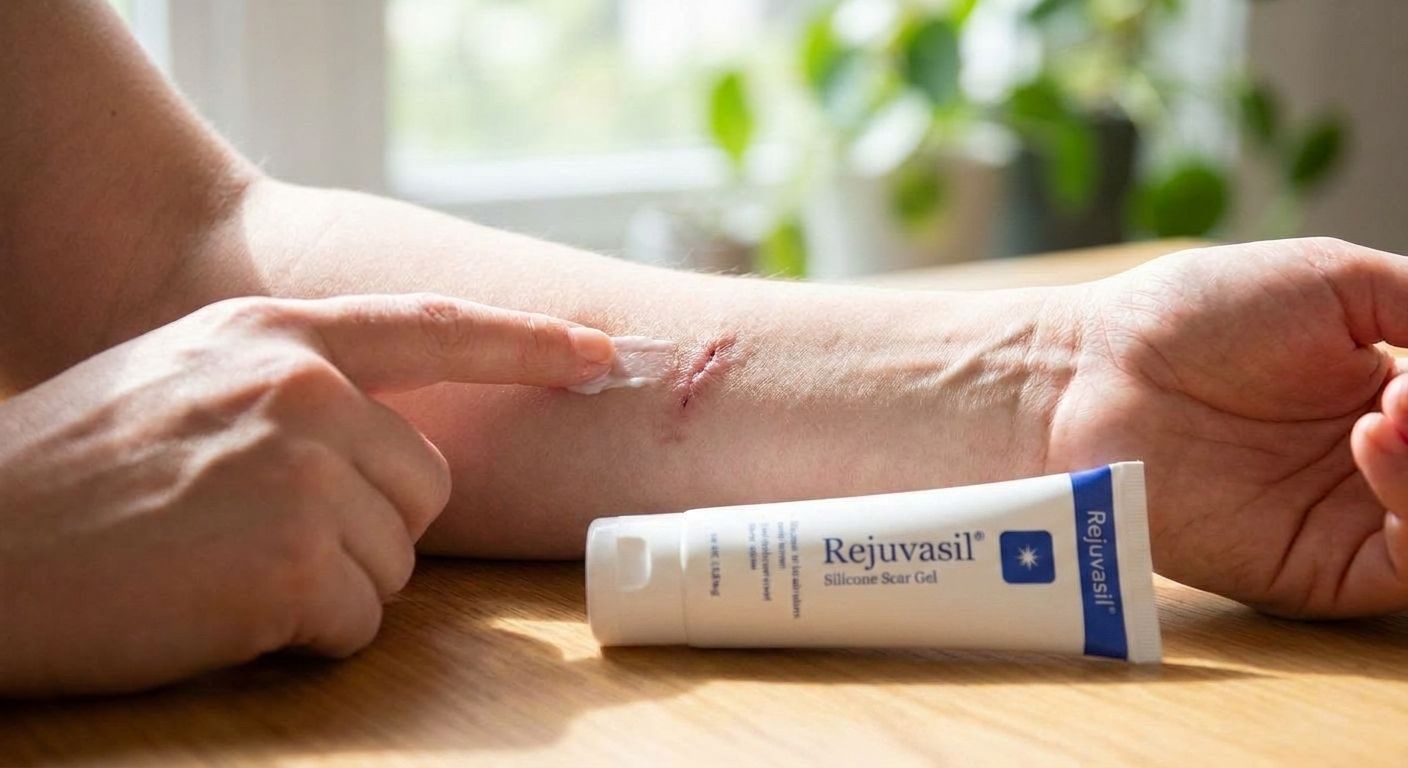
- Rejuvasil Silicone Scar Gel is the top scar cream for skin biopsy scars on small, round sites — Buy.
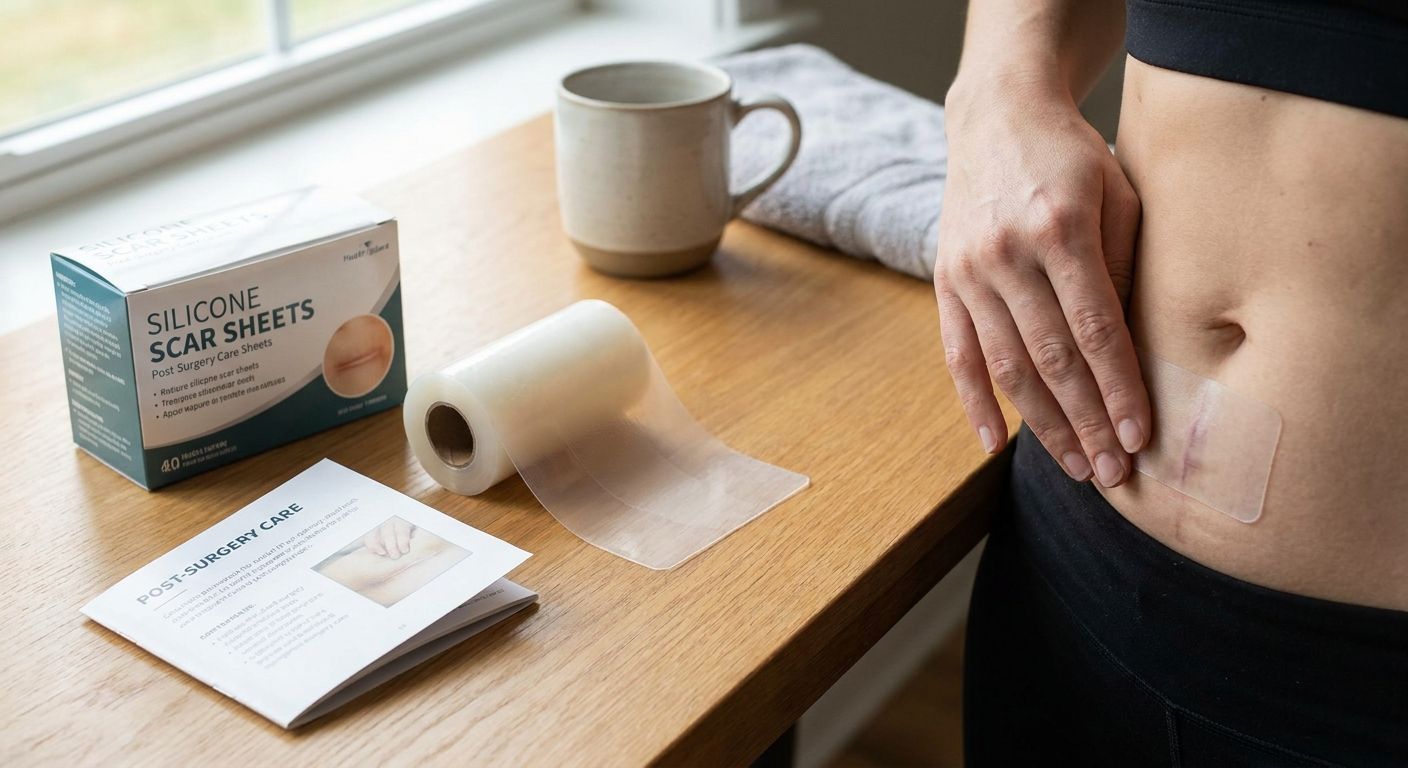
- Scar Fx 1.25-inch silicone sheets fit a single punch-biopsy site better than full-size sheeting — Buy.
- Skip petroleum-based scar oils on a fresh biopsy wound; they carry none of silicone's clinical backing — Skip.
- Rejûvaskin Skin Recovery Cream calms redness around a biopsy site while the scar remodels — Consider.
- Start scar treatment once the biopsy site has closed, usually after the scab clears or sutures come out.
Why This Matters
Most skin biopsy scars are small — 2mm to 6mm for a punch biopsy, slightly larger for a shave or excisional sample — but small doesn't mean low-risk. Biopsy sites on the chest, shoulders, and ears are prone to raised, thickened scarring, and a scar that's left untreated for months is harder to soften later. Silicone gel and silicone sheeting are the two categories with the most consistent backing in scar management as a first-line, non-invasive approach, which is why Rejuvasil Silicone Scar Gel built around that same silicone base shows up repeatedly on biopsy-scar recommendation lists in 2026.
The mistake most people make isn't skipping scar care — it's reaching for whatever's already in the bathroom cabinet. Vitamin E oil, cocoa butter, and antibiotic ointment all feel like reasonable choices, but none of them are formulated the way medical-grade silicone is, and a biopsy scar treated with the wrong product for eight weeks is a biopsy scar that's harder to fade in month nine.
Who This Is For
This guide is for anyone recovering from a diagnostic skin biopsy — punch, shave, or small excisional — who wants the scar to fade flat and pale rather than raised or dark. It applies whether the biopsy was for a mole check, a suspicious lesion, or a dermatology screening, and it applies on the face, scalp, chest, back, or limbs. If your biopsy site is still open or oozing, hold off on any scar cream until it closes; this guide covers care for scars that have fully re-epithelialized.
What to Look for in a Scar Cream for Biopsy Scars
Size Matched to the Wound, Not the Average Scar
A punch biopsy site is often under half an inch across. A silicone sheet cut for a mastectomy or a knee-replacement incision is going to overlap healthy skin, trap moisture where it shouldn't, and peel at the edges within a day. Pre-cut small formats or a spreadable gel avoid that entirely.
Medical-Grade Silicone as the Active Ingredient
Silicone sheeting and silicone gel are the two forms consistently cited in international scar-management guidance as a first-line approach for both scar prevention and existing scar softening. A cream without silicone as the primary mechanism is working from a much thinner evidence base.
Wear Time You Can Actually Sustain
Silicone-based scar therapy generally needs weeks of consistent daily use, not a one-time application, to show a visible change in texture and color. A gel that dries fast enough to reapply twice a day without smearing on clothing wins over one that stays tacky for hours.
Placement on Hard-to-Bandage Spots
Biopsies on the ear, scalp, or a knuckle don't hold a sheet well. A gel format that you paint on and let dry clear works better on joints and curved surfaces than any adhesive sheet.
Redness and Inflammation Support
A fresh biopsy scar is often pink or red for weeks before it starts to fade — that's a separate concern from thickness, and a product that also targets post-procedure redness earns a place alongside a silicone gel rather than instead of it.
Sun Protection Compatibility
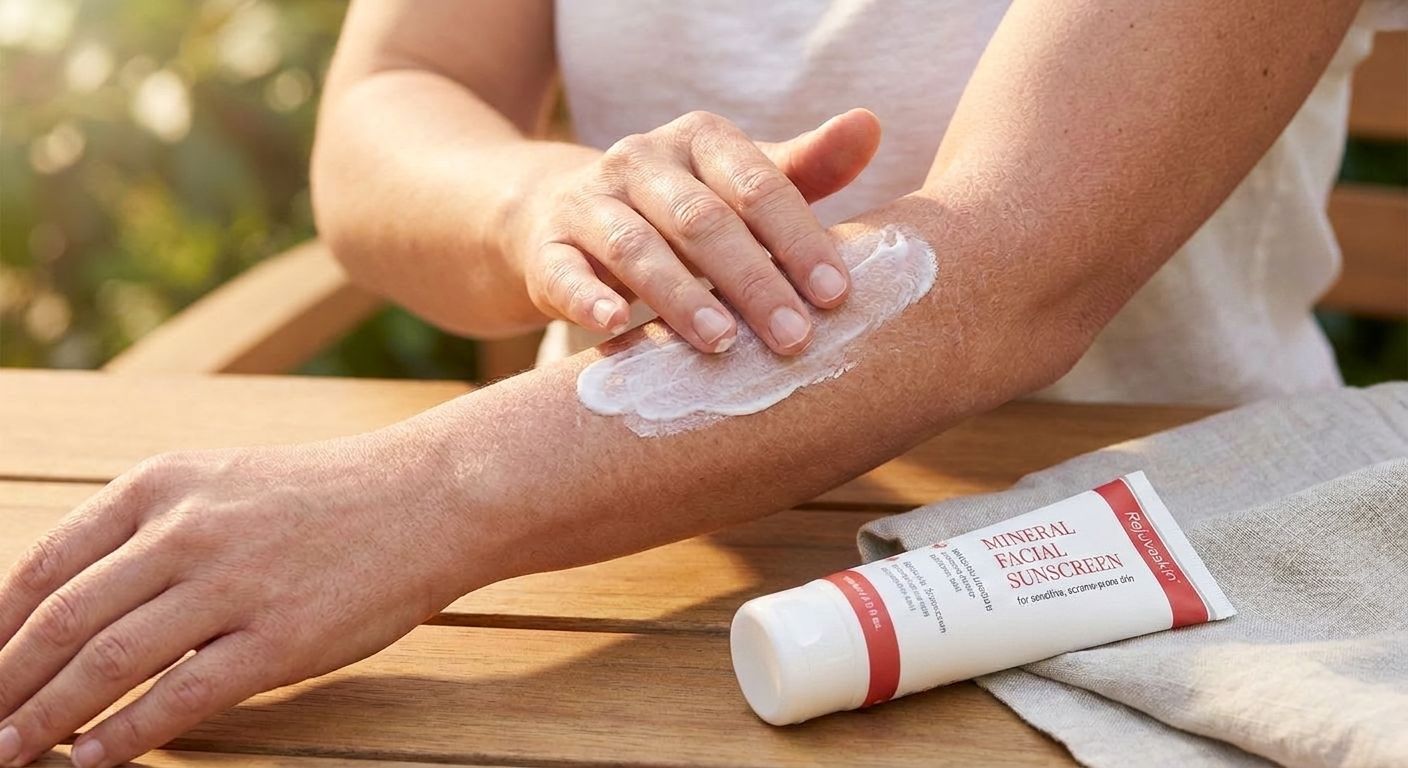
A healing scar tans differently than surrounding skin and can darken permanently if it's exposed to UV before it matures. Whatever scar cream you pick, it needs to sit under a mineral sunscreen without pilling or breaking down.


Top Picks for Biopsy Scar Care
Rejuvasil Silicone Scar Gel — the everyday pick. This gel dries clear in minutes and layers under sunscreen or makeup, which matters most when the biopsy site is on the face or neck. One tube covers months of twice-daily use on a scar this small. Verdict: Buy.
Scar Fx Silicone Sheet, 1.25" x 1.25" six-pack — the precision pick. Instead of cutting down a sheet meant for a surgical scar, these six pre-cut pads are already sized for a single punch-biopsy site, and having six on hand means you're not reusing one pad past its cleaning cycle. Verdict: Buy.
Scar Heal Kit, 1.5" x 3" — the two-step system. This pairs a small silicone sheet with a companion gel for round-the-clock coverage: sheet during the day under clothing, gel at night on exposed skin. It's the choice for anyone treating more than one biopsy site at once. Verdict: Buy.
Rejûvaskin Skin Recovery Cream — the redness pick. A fresh biopsy site sits pink and slightly irritated well before scar texture becomes the main concern, and this cream is formulated to support skin during that early recovery window. Pair it with a silicone product rather than substituting it for one. Verdict: Consider.
If the crank on your expectations is set for an overnight fix, reset it — silicone scar therapy is a weeks-long commitment, not a single application.
What to Avoid
- Full-size surgical silicone sheets on a small biopsy site. A sheet built for a hip-replacement incision will overhang the wound edges and peel within a day on a spot this small.
- Vitamin E oil or cocoa butter as a stand-alone scar treatment. They feel soothing but don't carry the same clinical positioning as silicone gel or silicone sheeting for scar remodeling.
- Exfoliating acids on a scar that hasn't fully closed. Retinoids and AHAs belong in a routine after the biopsy site has matured, not while it's still pink and fragile.
Verdict Comparison
| Product | Format | Best for | Verdict |
|---|---|---|---|
| Rejuvasil Silicone Scar Gel | Gel | Face, neck, joints, exposed areas | Buy |
| Scar Fx Silicone Sheet 1.25" 6-pack | Pre-cut sheet | Single small punch-biopsy sites | Buy |
| Scar Heal Kit 1.5" x 3" | Sheet + gel combo | Multiple biopsy sites, day/night coverage | Buy |
| Skin Recovery Cream | Cream | Post-procedure redness support | Consider |
FAQ
What's the best scar cream for skin biopsy scars?
Rejuvasil Silicone Scar Gel is the top pick for most biopsy scars because it's sized right for a small wound and dries clear enough to wear under sunscreen or makeup. For raised or thickened scars, pairing it with a small Scar Fx silicone sheet adds coverage during the day.
Is silicone gel or silicone sheeting better for a biopsy scar?
Gel works better on curved or exposed areas like the face and joints, while sheeting holds up better under clothing where it won't rub off. Many people use gel during the day and a small sheet overnight for continuous coverage.
How soon after a skin biopsy can I start scar cream?
Wait until the biopsy site has fully closed and the scab has cleared before applying silicone gel or sheeting, since applying it to an open wound can trap bacteria. Most biopsy sites close within one to two weeks depending on size and location.
How long do biopsy scars take to fade?
Biopsy scars typically remodel over several months, with color and texture continuing to improve through the first year. Consistent daily silicone use during that window matters more than any single product choice.
Can I put sunscreen over a healing biopsy scar?
Yes, and you should — a healing scar can darken permanently if it's exposed to UV before it matures. Apply a mineral sunscreen over your scar gel once it's dry, or ask about layering order if you're using a sheet instead.
Do small biopsy scars really need silicone treatment, or will they fade on their own?
Many small biopsy scars do fade with no treatment at all, but scars in high-tension areas like the chest, shoulder, or back are more likely to thicken without silicone support. Treating from the start costs less effort than correcting a raised scar later.
Can I use the same scar cream on a biopsy scar and a surgical scar?
Yes, silicone gel works on both, but sheet size should match the wound — a biopsy site needs a small pre-cut pad, not a full-size sheet meant for a longer incision.
Is scar cream necessary if my biopsy site is on my scalp or ear?
Gel is the better choice for the scalp and ear since sheeting doesn't adhere well to curved or hair-bearing skin. Apply it thin enough that it dries without residue.
One Last Thing
The detail people skip: biopsy scars on the chest and upper back scar worse than the exact same wound on the forearm, because that skin sits under more mechanical tension. If your biopsy was in one of those zones, don't wait for the scar to look raised before starting silicone — start the day it closes.