
Preparing for surgery can support normal wound healing, but no routine or product can guarantee a scar-free result. This guide focuses on the practical pre-op decisions to review with your surgical team: nicotine, medications and supplements, health conditions that affect healing, prior abnormal scars, and when post-closure scar care may be appropriate.
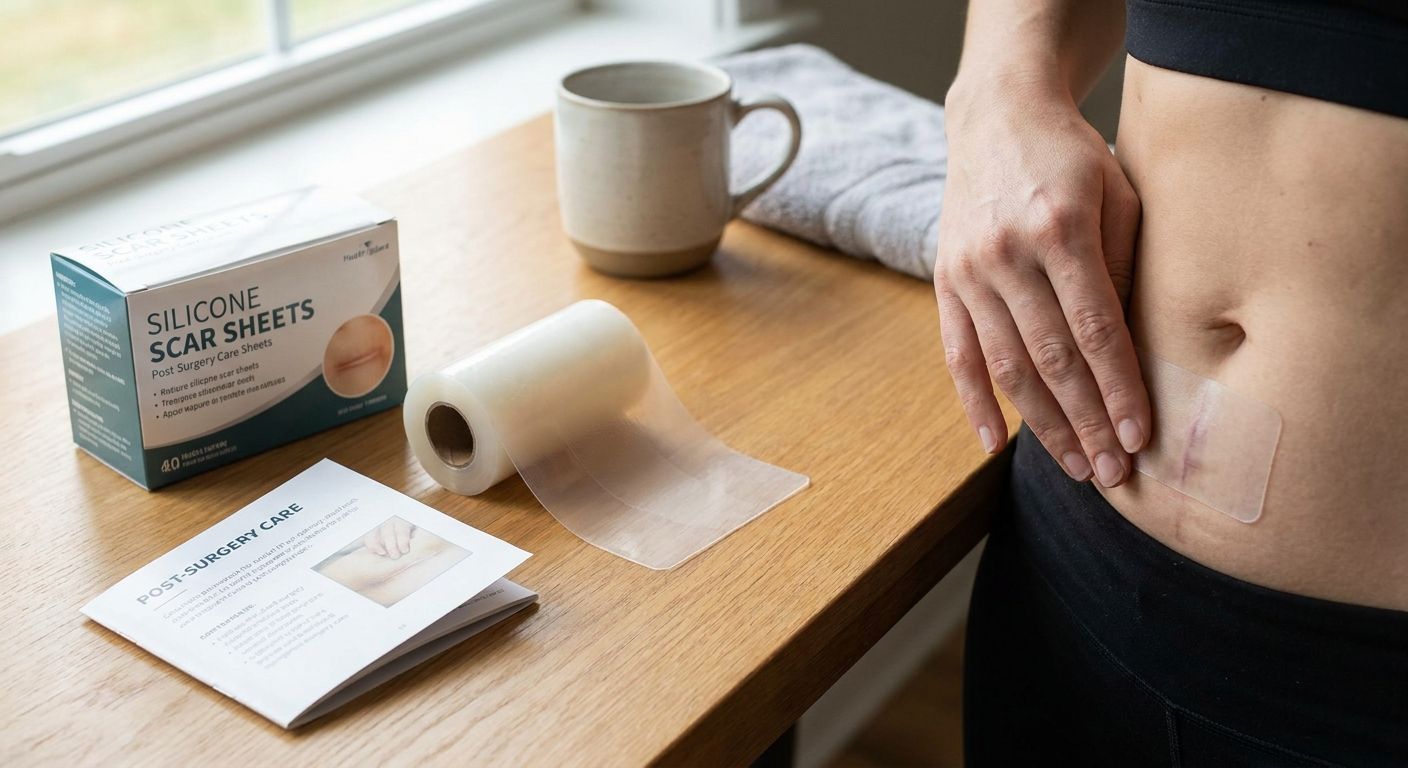
- Plan silicone gel or sheeting for use only after the incision has fully closed and your surgeon clears it.
- Rejuvasil Silicone Scar Gel and Scar Heal Kit sheeting both support prevention once the incision closes, not before.
- Preoperative nicotine cessation supports wound healing; follow the timeline your surgeon recommends.
- After the incision has healed, broad-spectrum SPF 30 or higher can help reduce discoloration.
- Topical vitamin E lacks sufficient evidence for scar prevention and can cause contact dermatitis.
Why this matters
Scar maturation takes months, and its appearance depends on incision location, surgical technique, healing, and individual biology. Before surgery, focus on the modifiable items your surgical team can assess: nicotine exposure, medication and supplement use, glucose management, nutrition risk, sun exposure, and a personal or family history of abnormal scarring.
Surgeons control the incision technique. You control almost everything else — hydration, nicotine exposure, blood sugar, and what you apply to the site once it's cleared for topical care. Patients who show up to surgery with a hydrated, calm skin barrier consistently report faster fading and less itching during the healing phase, which is why oncology nurses and plastic surgery practices increasingly hand out prevention checklists at the pre-op appointment.
What you'll need
- A pre-op timeline of at least 2-4 weeks before your surgery date
- Fragrance-free moisturizer for daily use on the surgical area's surrounding skin
- A physician-approved silicone gel or sheet, staged for use only after the incision has fully closed and your surgeon clears topical care — Rejuvasil Silicone Scar Gel is one option to discuss for post-closure care
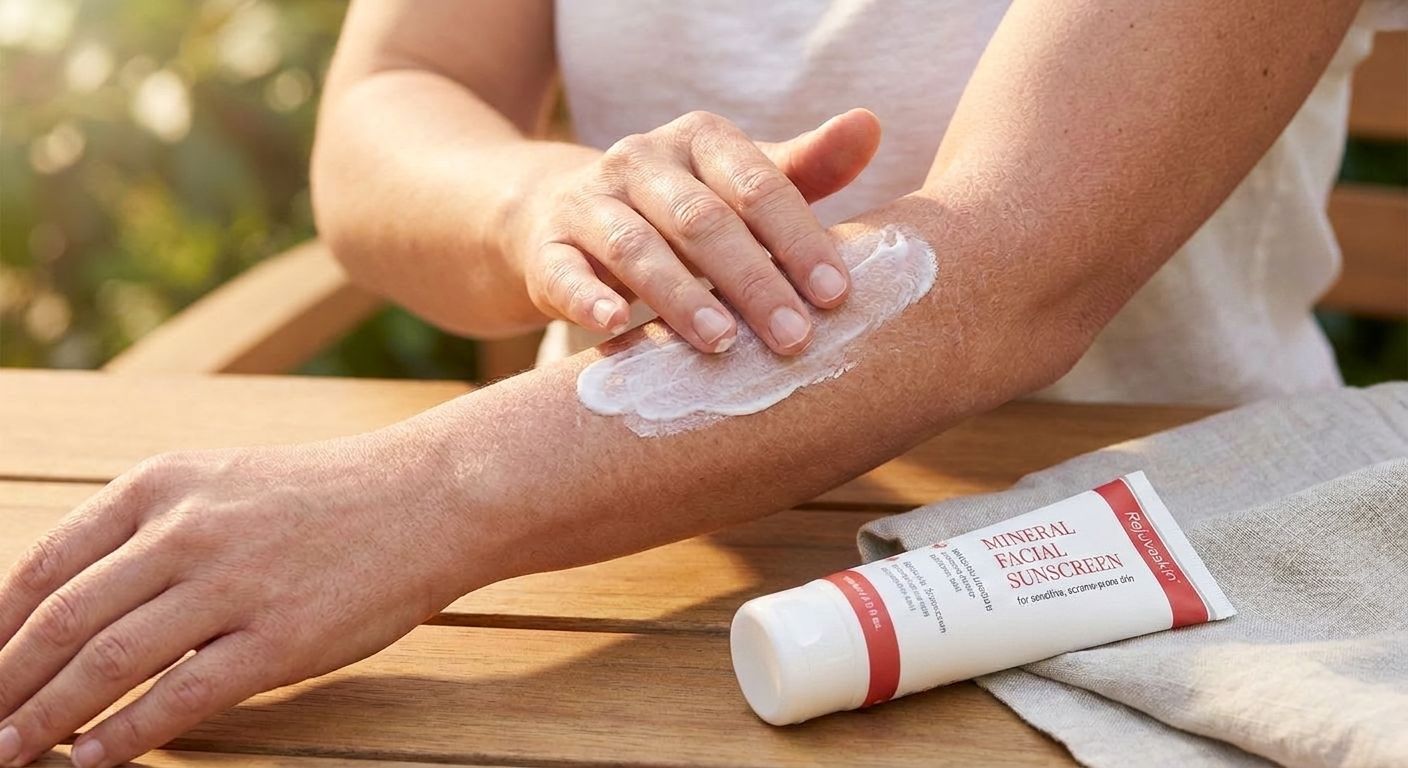
- Broad-spectrum mineral sunscreen for any area that will be exposed post-recovery
- A log of current medications and supplements to review with your surgeon (some, like fish oil, increase bleeding risk)
- Realistic expectations — no product prevents 100% of scarring, especially in patients prone to keloids
The steps
1. Stop smoking and nicotine products at least 4 weeks out
Nicotine constricts blood vessels and starves healing tissue of oxygen, which is one of the strongest predictors of poor wound closure. Surgeons routinely delay elective procedures for patients who can't quit, because the difference in scar width and healing time is measurable. A review of preoperative cessation interventions found benefit from programs that began at least four weeks before surgery. Follow the nicotine timeline your surgeon sets; it may differ by procedure and health history. Common mistake: switching to vaping instead of quitting — nicotine is still nicotine.
2. Optimize protein and vitamin C intake starting 2-3 weeks pre-op
Collagen synthesis depends on adequate protein and vitamin C, and most people under-eat both in the run-up to a stressful event like surgery. Aim for consistent protein at each meal and include a vitamin C source daily — citrus, bell peppers, or a supplement if your diet is thin. This won't show up on a lab test, but it shows up in how fast the incision edges knit together. Common mistake: loading up on mega-dose vitamin E supplements, which some patients assume helps scars — there's no strong evidence it does, and high doses can affect clotting.
3. Get blood sugar under control if you're diabetic or prediabetic
Elevated glucose slows every phase of wound healing and raises infection risk, and infected wounds almost always scar worse. If you manage diabetes, tighten control with your physician in the weeks before surgery rather than the day of. Common mistake: assuming a single pre-op glucose check is enough — surgeons care about your trend over the prior month, not one reading.
4. Hydrate and moisturize the surgical site's surrounding skin
Skin that's already dry and inflamed before an incision heals with more scar tissue than well-hydrated skin. Use a fragrance-free moisturizer on the area daily for at least 2 weeks before your date, stopping only where your surgeon marks the prep zone. Well-moisturized skin also tolerates post-op tape and dressings with less irritation. Common mistake: applying heavy, occlusive creams the night before surgery — some surgical teams ask you to keep the site product-free for 12-24 hours pre-op, so confirm the cutoff.
5. Protect the area from sun exposure in the weeks before surgery
UV-damaged skin has a compromised barrier and heals less predictably. If the surgical site will be exposed to sun beforehand — a mole excision on the forearm, for example — apply a mineral facial sunscreen daily. Once the incision has healed, use broad-spectrum SPF 30 or higher as the American Academy of Dermatology recommends to help reduce discoloration. Common mistake: only protecting the day of an outdoor activity instead of daily, cumulative sun exposure being the real driver of damage.
6. Review every medication and supplement with your surgeon
Fish oil, high-dose vitamin E, aspirin, and some herbal supplements increase bleeding risk, and excess bleeding during surgery correlates with wider, more visible scars. Bring a full list to your pre-op appointment, including anything you consider natural. Common mistake: stopping a prescribed blood thinner without medical clearance — that's a decision for your surgeon, not a scar-prevention checklist.
7. Stage your post-op scar care before surgery day, not after
Most people wait until they're home from surgery to think about scar prevention, and by then they're managing pain, fatigue, and a fresh incision. Order silicone gel or sheeting in advance so it's ready the moment your surgeon clears topical use — only after the incision is fully closed with no open areas and your surgeon clears it. A Scar Heal Kit sized to your incision length removes the guesswork on timing. Common mistake: applying silicone products to an incision that hasn't fully closed, which can trap moisture and cause irritation.
Troubleshooting
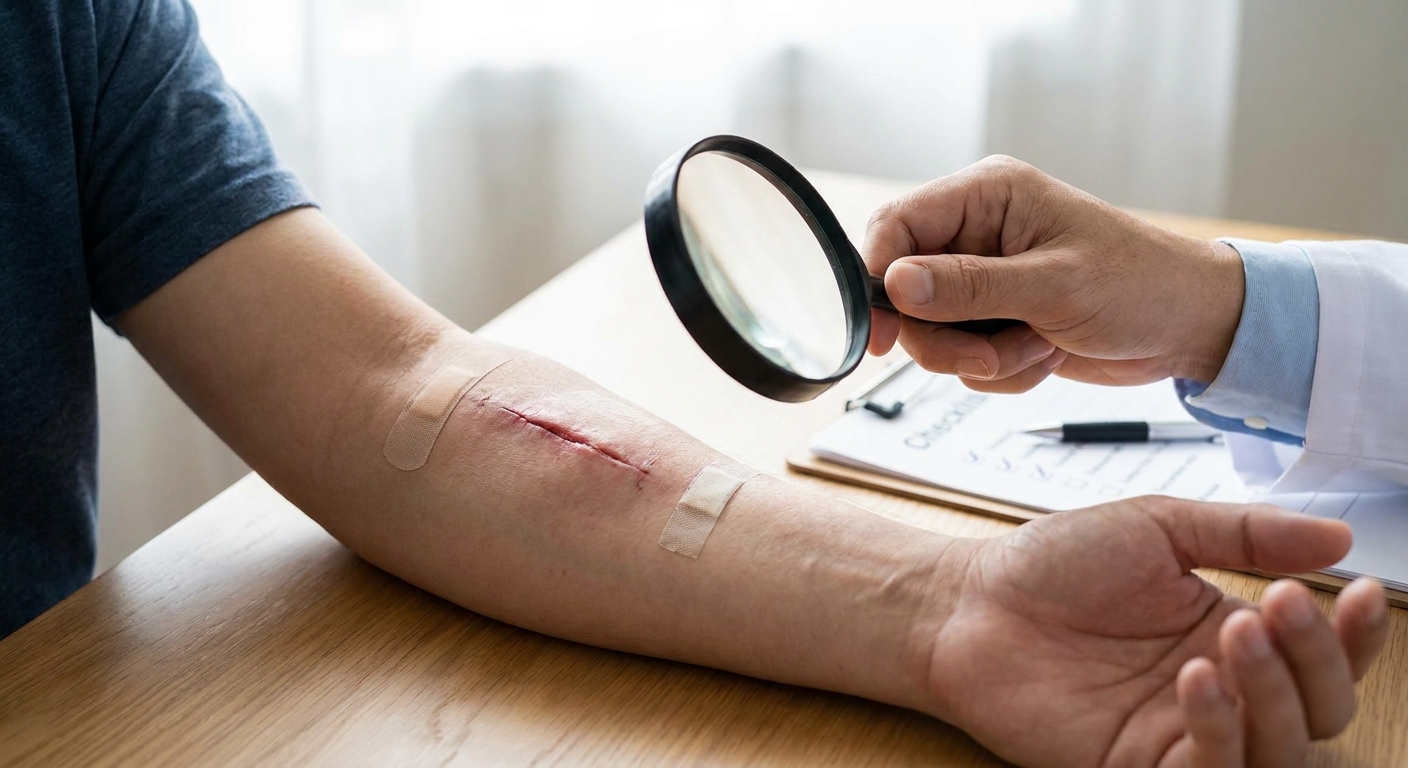
- Incision looks red and raised in week 3: Mild redness can be part of normal healing, but increasing redness, pain, drainage, warmth, fever, wound separation, or a raised itchy scar should be reviewed by your surgical team.
- Skin around the site is peeling and irritated pre-op: Switch to a fragrance-free moisturizer immediately and stop any exfoliating products or retinoids at least 1 week before surgery.
- You smoke and can't quit before your date: Tell your surgeon directly — some will adjust technique or timing rather than proceed with a patient who's likely to heal poorly.
- You've had keloids before: Flag this at your pre-op consult; keloid-prone patients often need a different prevention protocol starting the day the incision closes, not weeks later.
- Product caused a reaction during a patch test: Stop use, switch to a fragrance-free alternative, and confirm with your surgeon before your surgery date, not the week of.
- You forgot to buy scar care products before surgery: Do not apply a product to an open incision. Ask your surgical team when the incision is fully closed and whether silicone gel or sheeting is appropriate.
Questions to ask at your pre-op appointment
- Do I have risk factors for delayed healing or abnormal scarring, including a personal or family history of keloids?
- Which medicines, supplements, nicotine products, and skin products should I stop or continue—and on what schedule?
- When is the incision expected to be fully closed, and when may I start silicone gel or sheeting?
- What signs of infection, wound separation, or a reaction mean I should contact the office?
What to do next
Once your incision is fully closed and your surgeon clears topical products, ask whether gel or sheeting fits the location, incision length, and your personal scar history.
FAQ
How early should I start preparing my skin before surgery to minimize scarring?
Use the pre-op timeline your surgeon provides. Ask about nicotine cessation, medication and supplement review, diabetes or other health conditions, prior abnormal scars, and when post-closure scar care is appropriate.
Does vitamin E help prevent scarring before surgery?
No. A systematic review found insufficient evidence that topical vitamin E alone improves scars, and it may cause contact dermatitis. Ask your surgical team before changing any oral vitamin E or other supplements.
Can I apply silicone gel before my incision is made?
No — silicone gel and sheeting are for closed, healed incisions, not intact skin before surgery. Plan ahead, but start only after the incision is fully closed and your surgeon clears topical care.
Is smoking really that connected to scar severity?
Yes — nicotine constricts blood vessels and reduces oxygen delivery to healing tissue, which worsens scar width and healing time. Most surgical guidelines recommend quitting at least 4 weeks before an elective procedure.
What should I avoid putting on my skin right before surgery?
Avoid heavy occlusive creams, retinoids, and exfoliants in the 24-48 hours before surgery, and confirm your surgical team's specific prep-zone instructions. Some teams require a product-free window the night before.
How much does sun protection actually matter for scar prevention?
Once the incision has healed, ultraviolet exposure can contribute to discoloration. Use broad-spectrum SPF 30 or higher as directed by your surgical team and reapply as needed.
Are keloid-prone patients able to minimize scarring before surgery too?
Yes, but the protocol differs — keloid-prone patients often need silicone treatment starting immediately at incision closure rather than waiting weeks. Flag your history at the pre-op consult so your surgeon can plan accordingly.
What's the single most controllable factor in reducing scar risk before surgery?
Quitting nicotine is the factor with the clearest, most consistently cited impact on wound healing and scar quality. It affects blood flow and oxygen delivery more directly than any topical product can.
One last thing
Before surgery, give your surgical team a complete list of prescribed medicines, over-the-counter products, vitamins, and herbal supplements. Do not stop a prescribed drug on your own. A systematic review of six prospective studies found insufficient evidence that topical vitamin E alone improves scars, and two of the included studies reported adverse effects such as contact dermatitis, itching, or rash.